
The phrase sleep study test covers the whole process: the referral, the overnight recording, the report and the follow-up conversation. Most people only think about the night itself, but the stages before and after matter just as much. If you are in Sydney and have been referred for one, this guide walks through each step so nothing catches you off guard.
Before the test
Your doctor will usually start with a conversation about symptoms and a sleepiness questionnaire. If a sleep study test is recommended, the referral goes to a clinic or provider. Check whether the test is in-lab or at home, whether a Medicare rebate applies, and what the total cost will be. Ask whether you need to bring anything, and confirm the appointment time in writing.
Preparation is simple. Keep your routine, avoid caffeine that day, take regular medications unless told otherwise, and shower before you arrive. Skip heavy creams on your face, neck and chest so the sensors stick properly.
During the night
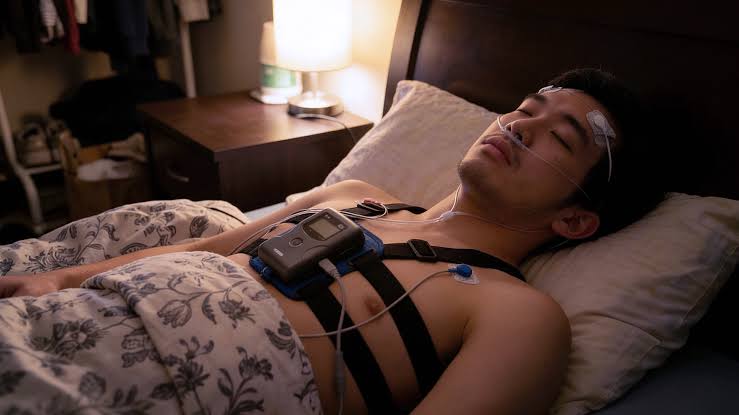
For an in-lab test, you arrive in the evening and a technician attaches sensors to your scalp, face, chest, legs and finger. You then sleep in a private room while the equipment records brain activity, breathing, oxygen, heart rhythm and movement. Many people sleep less than usual the first night, and that is normal. The recording still produces useful data.
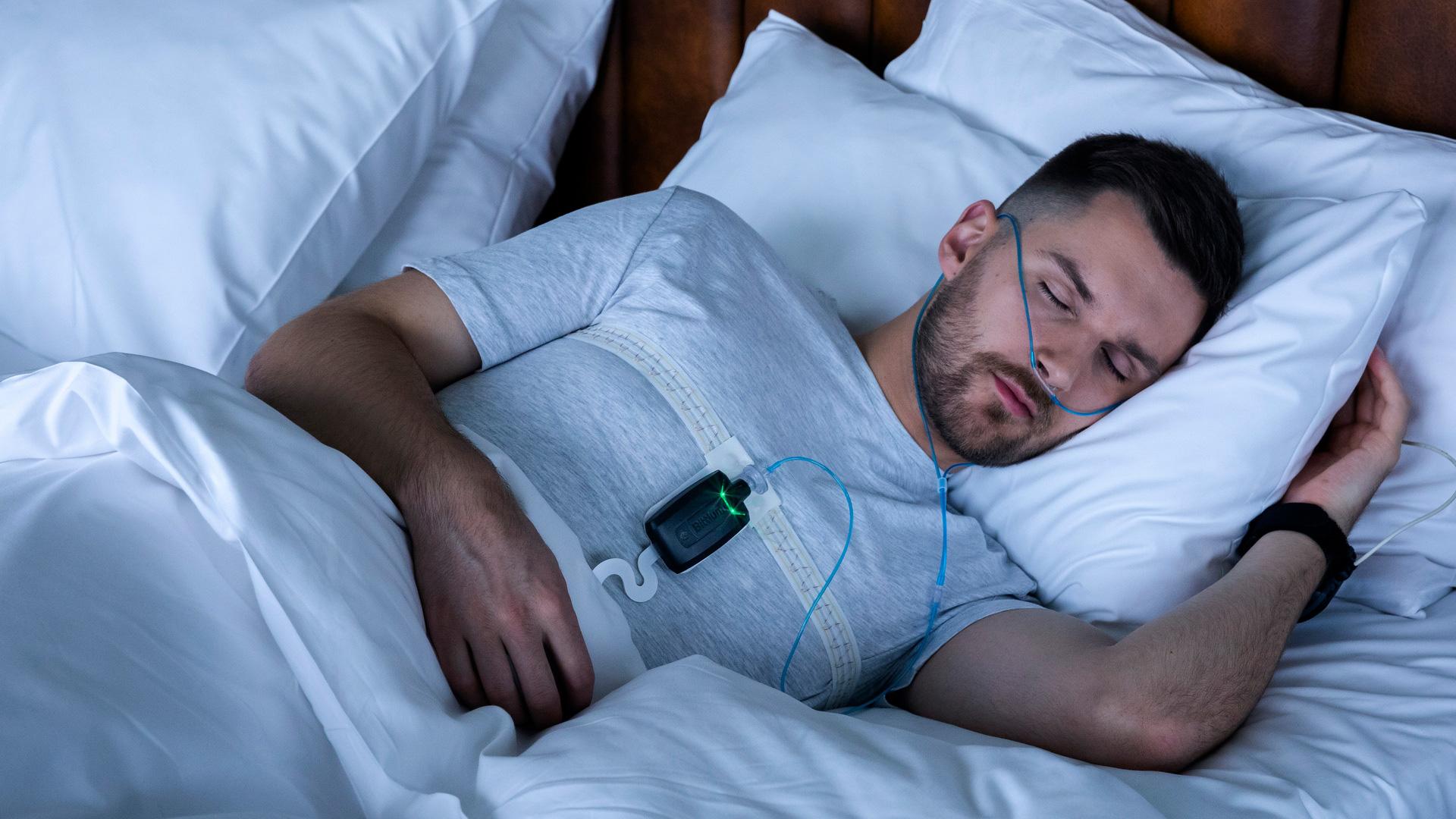
For a home test, you attach a small recorder and a few sensors in your own bed after a briefing, then sleep as usual. Return the device the next morning using the method your provider specifies.
The healthdirect guide to obstructive sleep apnoea explains that the study monitors breathing, oxygen levels and sleep patterns, which is exactly what the sensors are capturing.
After the test
The data is scored and reviewed. The main figure is the apnoea-hypopnoea index, which counts breathing events per hour of sleep. Mild, moderate and severe categories help your doctor decide what to do next. Oxygen dips and sleep stage data add context.
Your results usually come back within a couple of weeks. Do not interpret a single number on your own. Book a follow-up with your GP or sleep physician so the result can be explained in the context of your symptoms and health history.
Common worries
People often worry they will not sleep, that the sensors will fall off, or that they will snore too loudly in front of a technician. Technicians deal with these concerns every day. If a sensor falls off, the team can usually reattach it. Snoring is part of what the study is designed to measure, so it is useful information, not embarrassment.
Costs and paperwork
Ask the provider for a written quote, confirm whether it is bulk billed, and check what the report and follow-up cost. Ask how the result will be sent to your GP. Good providers make this process clear before the night arrives.
What to do if you need treatment
If your test shows sleep apnoea, treatment often includes CPAP therapy for moderate to severe cases or an oral appliance for some milder cases. Weight loss, reducing alcohol before bed and stopping smoking also help. Your doctor will explain options and any follow-up tests needed to check whether treatment is working.
The night before
Keep your evening routine as normal as possible. Eat a light dinner, avoid heavy alcohol, and skip caffeine after the early afternoon. If you have a bath or shower, do it before the sensors go on, since moisture and oils make attachment harder. Pack a small bag with pyjamas, any medications and the items you use to sleep, so the night feels familiar.
Arriving at the clinic
For in-lab studies, arrive on time and bring your referral, Medicare card and a list of medications. The technician will explain the process and answer questions. Let them know if you have a cold, a sore back or any other reason you might sleep differently, so they can factor that into the report.
Common worries on the night
Many people worry about snoring loudly in front of a stranger, or about not being able to fall asleep.
Technicians have seen all of this before. Snoring is part of what the study measures. If you cannot sleep, try the relaxation techniques you already use at home and tell the technician if you need help. A rough night still produces usable data.
Afterwards
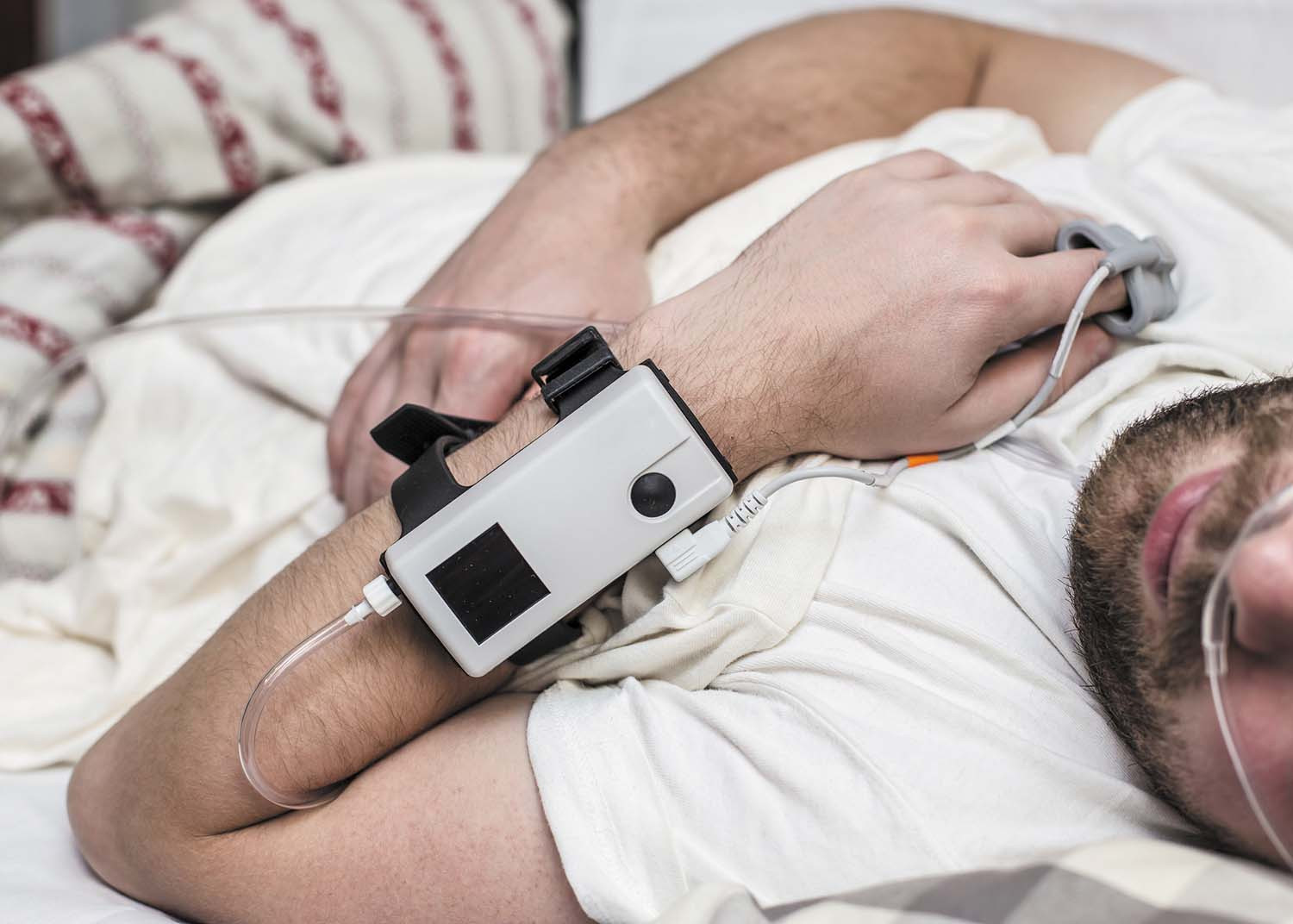
Once you wake, the technician will remove the sensors and send you home. You may feel tired the next day, which is normal. Plan a quiet day if you can, and avoid driving if you feel drowsy. Your results will take a couple of weeks, so put a reminder in your calendar for the follow-up appointment.
The takeaway
A sleep study test is a structured process with clear stages. Prepare the simple way, understand the night, and book your results conversation before the report arrives. Knowing the steps makes the whole experience far less stressful.
